🛡️ Licensed by Ministry of External Affairs · RA:
B-3413/DEL/COM/1000+/5/11419/2026
📞 +91 96259 66817
📍 15, 2nd Floor, South Patel Nagar, Delhi-110008
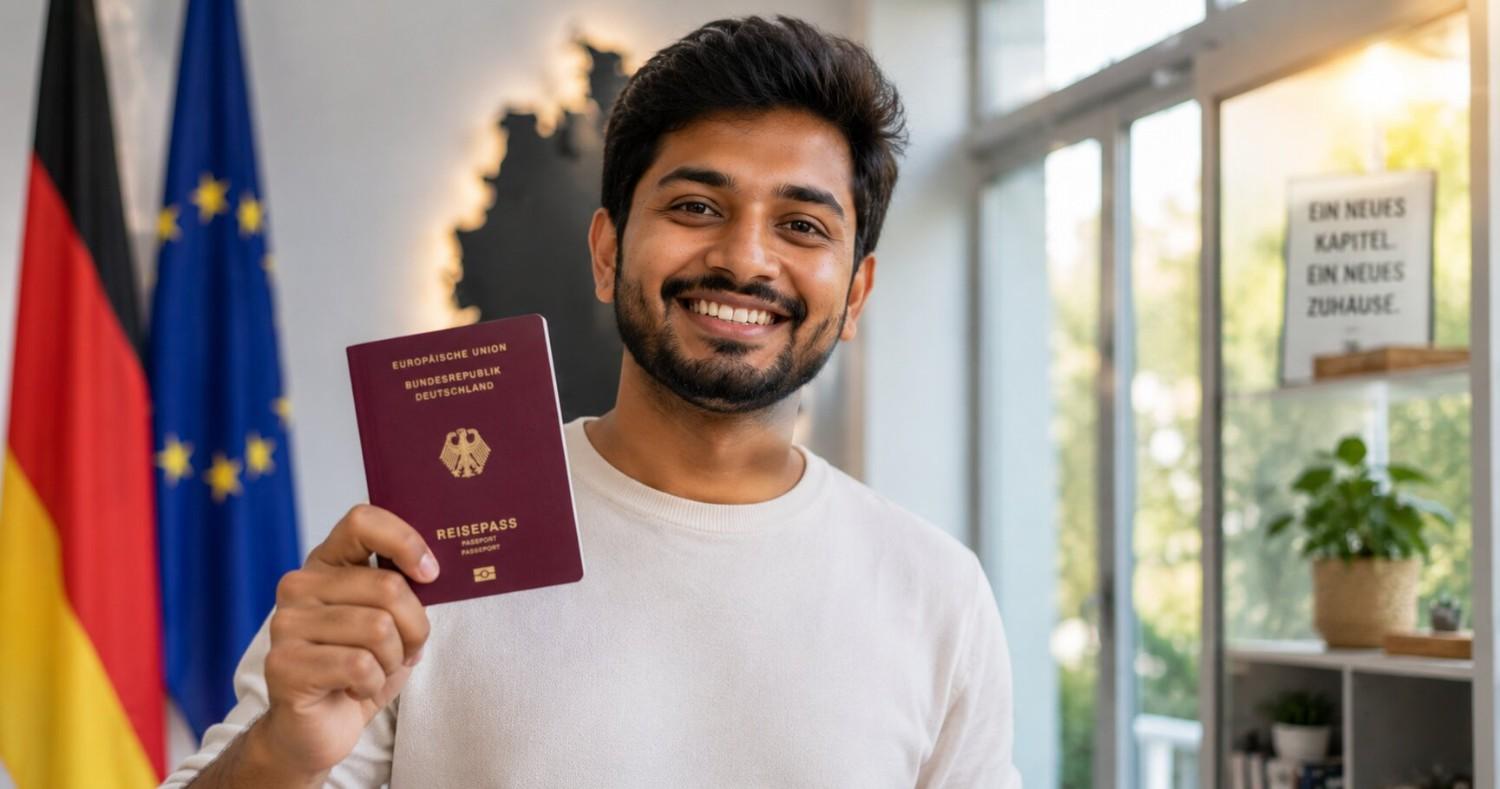
Permanent residency (our last blog) lets you stay in Germany for good. Citizenship goes one step further - a German passport, the right to vote, full EU citizenship and freedom to live and work anywhere in the EU. For many physiotherapists building a life in Germany, it is the ultimate milestone. But the rules changed recently, so it is worth understanding exactly where things stand in 2026.
This blog explains how naturalisation works today, what you need, the crucial 2025 change every applicant should know, and a special note for Indian professionals on dual citizenship. Citizenship law is politically sensitive and changes, so treat this as a current-picture guide, not legal advice, and confirm details with official sources.
First, the headline change, because it matters. Germany's 2024 citizenship reform cut the standard residence requirement from eight years to five and, for a short time, allowed exceptionally well-integrated people (with C1 German and special achievements) to naturalise in just three years. That three-year 'turbo' route has now been abolished - the repeal took effect on 30 October 2025. From then on, and throughout 2026, almost everyone follows the standard five-year path. A C1 certificate no longer shortens the wait, though it remains hugely valuable for your career and daily life.
Under the current rules, you can apply for naturalisation after five years of lawful, habitual residence in Germany. The core requirements are:
One three-year route does still exist: spouses and registered partners of German citizens can naturalise after three years of residence, provided the marriage has lasted at least two years. For everyone else, the clock now runs to five.
A major benefit of the 2024 reform survives fully: Germany now allows dual citizenship for all applicants. From the German side, you no longer have to give up your existing nationality to naturalise. For many people this removes the hardest part of the decision.
If permanent residency already lets you live and work in Germany forever, why go further? Citizenship adds real things: a German (and therefore EU) passport, the right to vote in German elections, the freedom to live and work anywhere in the European Union, visa-free travel to many more countries, and full, unconditional security that cannot lapse if you spend time abroad. For physiotherapists who see Germany or Europe as their long-term home, it is the difference between living in a country and fully belonging to it.
Be realistic about processing. Even once you qualify, naturalisation applications currently face significant backlogs - commonly around fifteen months in big cities, and up to two years in places like Munich, though the government is investing in digitisation to clear a large backlog by late 2026 or 2027. Prepare your file early - pass the naturalisation test and secure your B1 certificate well ahead of time. A new anti-fraud law in 2026 also means falsifying documents carries severe penalties, including long bans, so everything you submit must be genuine.
For candidates on our pathway, citizenship is a long-term horizon rather than an immediate step - but the groundwork starts early. The same milestones that get you recognition, permanent residency and a stable career (especially strong German and continuous lawful residence) are exactly what naturalisation later requires. Plan for the five-year path, keep your language and paperwork in order, and look into the OCI question early if you are Indian. Our counsellors can help you understand how the stages connect, always as general guidance on a supported pathway - not legal advice or a guarantee.
📞 Book Your Free Counselling Session
Call / WhatsApp: +91 96259 66817 | +91 98100 08070
Email: support@jetsetjobs.in | www.jetsetjobs.in
500+ healthcare professionals are on their way to Germany & Austria with us.
Settle Abroad with Jet Set Jobs