🛡️ Licensed by Ministry of External Affairs · RA:
B-3413/DEL/COM/1000+/5/11419/2026
📞 +91 96259 66817
📍 15, 2nd Floor, South Patel Nagar, Delhi-110008
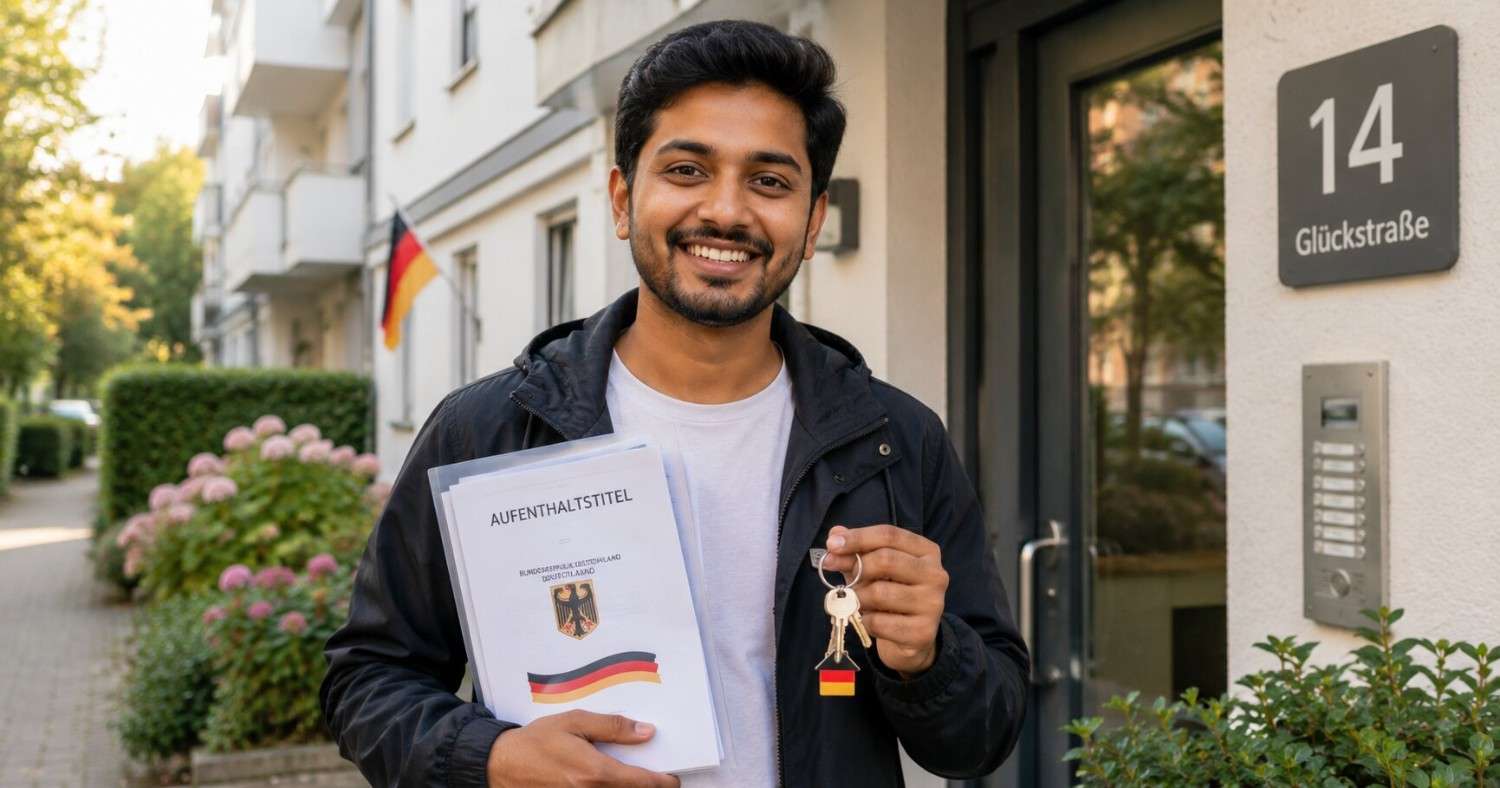
For most physiotherapists moving to Germany, the first big goal is recognition and a job. The next is security - the right to stay for good. That right is the Niederlassungserlaubnis, Germany's permanent residence or 'settlement' permit. It removes the renewals, the job restrictions and the uncertainty of a temporary permit, and it is the stepping stone toward citizenship. This blog opens our new cluster on settling in Germany for the long term.
Here we explain what permanent residency gives you, the routes to get it (including the surprisingly fast ones), and exactly what you need to qualify in 2026. Immigration rules change, so treat the timelines and figures here as indicative and always confirm the current position with your local Ausländerbehörde or your Jet Set Jobs counsellor.
The Niederlassungserlaubnis is a permanent title with no expiry date. Once you hold it, you can work in any job, for any employer, or be self-employed, with no conditions attached. You never need to renew it, and it gives you rights close to those of a German citizen - the main exceptions being voting and a German passport. It only lapses if you leave Germany for more than six months at a stretch (extendable to twelve with prior approval). In short, it turns 'I am allowed to be here for now' into 'I live here'.
This is where many physiotherapists are pleasantly surprised. While the standard route takes five years, the German system rewards qualified professionals with much faster paths. The main routes in 2026 are:
| Route | Time to permanent residency | Key extras |
|---|---|---|
| EU Blue Card + B1 German | 21 months | Fastest route; 21 months of pension |
| EU Blue Card + A1 German | 27 months | 27 months of pension |
| Skilled-worker permit (§18a/b) | 3 years | 36 months of pension |
| German-university graduate (skilled work) | 2 years | 24 months of pension |
| Standard path (any qualifying permit) | 5 years | 60 months of pension |
For physiotherapists, the EU Blue Card route is often the game-changer. Healthcare is a shortage occupation, so once you are fully recognised and earning above the (lower) shortage-occupation salary threshold, a Blue Card can put permanent residency within about 21 months - provided you have reached B1 German, which by then you very likely have. The clock for these fast-tracks generally starts once you hold the qualifying title (your Blue Card or skilled-worker permit), so the sooner you complete recognition and move onto one, the sooner it begins.
Whichever route you take, the core requirements are similar. In 2026 you generally need to show:
You apply at your local foreigners' authority (Ausländerbehörde), increasingly through an online portal. The fee is modest - around €113 on the skilled-worker path, up to roughly €147 otherwise - a government charge, entirely separate from any Jet Set Jobs programme. Processing usually takes about six to twelve weeks, though busy cities like Berlin can take longer. You will typically attend a short in-person interview, so keep your conversational German warm.
For candidates on our pathway, permanent residency is a realistic medium-term goal, not a distant dream. The journey - recognition, a skilled-worker permit or Blue Card, steady employment and B1 (or higher) German - naturally builds every ingredient you need. Because the Blue Card route can deliver permanent residency in around 21 months, the language and recognition milestones you are already working toward double as your route to settling permanently. Our counsellors help you keep an eye on these requirements from early on, so nothing (especially your pension record and language certificate) trips you up later. As always, timelines are indicative and depend on your individual circumstances.
📞 Book Your Free Counselling Session
Call / WhatsApp: +91 96259 66817 | +91 98100 08070
Email: support@jetsetjobs.in | www.jetsetjobs.in
500+ healthcare professionals are on their way to Germany & Austria with us.
Settle Abroad with Jet Set Jobs